French Macaron Recipe- Perfect Sweet Treats
French macarons are more than just a sweet treat; they are tiny edible works of art, and mastering the French macaron recipe is a culinary quest many bakers embark on with a mix of excitement and trepidation. What is it about these delicate, meringue-based cookies sandwiched with luscious fillings that captivates us so? Perhaps it’s their ethereal texture – a crisp exterior giving way to a delightfully chewy interior. Or maybe it’s the vibrant spectrum extract of colors they come in, each hue promising a unique flavor adventure. The true magic of the French macaron lies in their exquisite balance of simplicity and sophistication. They are a testament to precision, a dance of ingredients that, when executed perfectly, create an unparalleled sensory experience that feels both luxurious and utterly delightful.
Let’s dive into the art of creating your very own perfect French macaron.
Prepare to be enchanted!
French Macaron Recipe
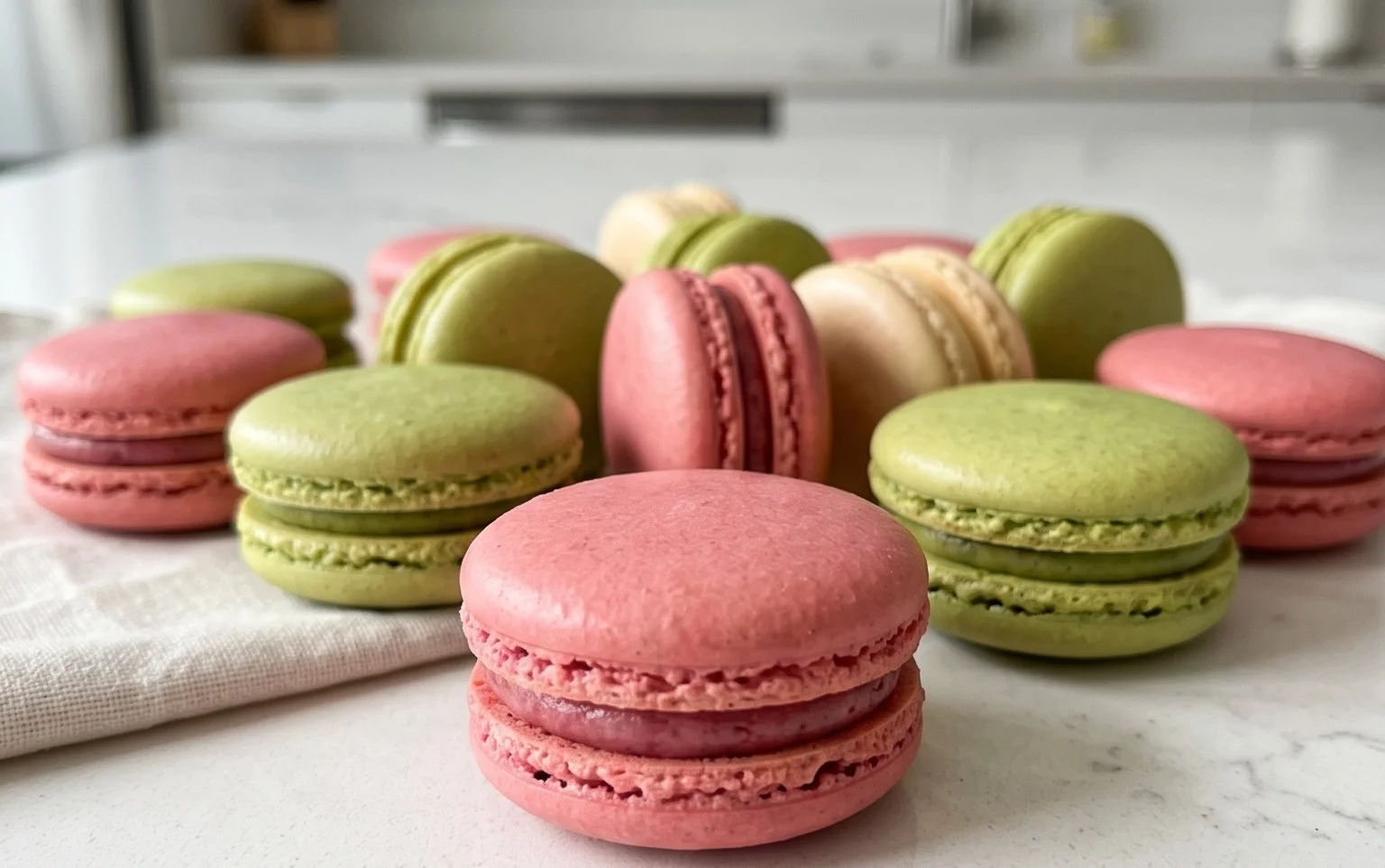
Ah, the French macaron. A delicate, airy, and utterly delightful cookie sandwich that’s both a challenge and a reward to master. For years, I admired these perfect little confections from afar, intimidated by their reputation for finickiness. But I’m here to tell you, with a little patience, precision, and the right approach, you too can create these show-stopping treats in your own kitchen! This recipe, a culmination of many attempts and learned lessons, will guide you through the process of making beautiful, crack-free macarons with that signature ‘foot’.
Ingredients:
Getting Started: The Foundation
Before we even think about mixing, proper preparation is key. This recipe utilizes the Italian meringue method, which generally offers more stability and a higher chance of success, especially for begin extractners. Ensure all your equipment is meticulously clean and dry. Any trace of grease can ruin your meringue. Weighing your ingredients accurately is paramount; baking, especially macarons, is a science!
Step-by-Step Macaron Magic
Here’s how we bring these elegant cookies to life:
1. The Dry Ingredients Assembly
First, let’s prepare our dry ingredients. In a medium bowl, combine the 150 grams of sifted super-fine almond flour, 180 grams of powdered sugar, and 1/4 teaspoon of salt. Sifting is crucial here to remove any lumps and ensure a smooth macaron shell. I like to sift them together at least twice through a fine-mesh sieve. This helps aerate the mixture and ensures no gritty bits remain, which can affect the texture. If you have larger almond pieces after sifting, you can discard them or pulse them a few more times in a food processor and then re-sift. Notes on Sifting: Measuring after sifting is essential. Sifting lightens the flour, so measuring before and then sifting will result in too much flour.
2. The Italian Meringue Creation
Now for the meringue. In a small saucepan, combine 60 grams of granulated sugar with 30 ml (2 tablespoons) of water. Place this over medium heat and cook without stirring until it reaches 118°C (245°F) on a candy thermometer. While the sugar syrup is heating, begin extract whisking your 120 grams of room-temperature egg whites in the bowl of a stand mixer fitted with the whisk attachment on medium speed until foamy. Once the syrup reaches temperature, slowly and carefully pour the hot syrup in a thin, steady stream down the side of the mixer bowl into the foaming egg whites. Be extremely cautious as the syrup is very hot. Continue to whip the meringue on high speed until it is stiff, glossy, and has cooled down to room temperature, which can take about 7-10 minutes. The meringue should hold stiff peaks and feel cool to the touch.
3. The Macronage: The Art of Folding
This is arguably the most critical step, known as ‘macaronage’. In a separate bowl, combine your almond flour and powdered sugar mixture with the remaining 120 grams of egg whites (these are raw egg whites, separate from the ones used for the meringue). Add the liquid-gel food coloring and 1 teaspoon of vanilla extract at this stage. If you are using a color, be aware that gel colors are much more potent than liquid ones, so start with the recommended amount and add more if needed. Gently fold the wet ingredients into the dry ingredients using a spatula. You want to incorporate everything without overmixing. The mixture should start as a thick paste.
Continue folding, scraping down the sides and bottom of the bowl, until the batter reaches the ‘lava’ consistency. This means that when you lift the spatula, the batter should fall off in a thick, ribbon-like stream and slowly melt back into itself, creating a figure-eight. This process can take some time and requires practice. Overmixing will result in thin, spread-out shells that won’t rise properly, while undermixing will lead to lumpy, cracked tops. Be patient and feel the consistency.
4. Piping and Resting: Setting the Stage for Success
Transfer your macaron batter to a piping bag fitted with a round tip (about 1 cm or 1/2 inch). Prepare baking sheets by lining them with parchment paper or silicone baking mats. I like to draw circles on the parchment paper beforehand as a guide for size and spacing. Hold the piping bag directly above the baking sheet and pipe small, uniform circles, about 1.5 inches in diameter, leaving some space between them. Once piped, firmly tap the baking sheets on the counter several times to release any air bubbles trapped within the batter. This is crucial for preventing cracks. After tapping, use a toothpick to gently pop any remaining visible air bubbles on the surface. Now comes the waiting game: let the piped macarons rest at room temperature for at least 30-60 minutes, or until they form a dry skin. You should be able to gently touch the surface without any batter sticking to your finger. This skin is essential for the development of the ‘foot’ during baking.
5. Baking and Cooling: The Final Transformation
Preheat your oven to 150°C (300°F). Carefully slide one baking sheet at a time into the preheated oven. Bake for 12-15 minutes. The macarons are ready when they have developed their ‘foot’ (a ruffled edge at the base) and the tops are firm and don’t wobble when gently nudged. Ovens vary, so keep a close eye on them. If they are browning too quickly, you can lower the temperature slightly. Once baked, remove the baking sheets from the oven and let the macarons cool on the sheets for about 10 minutes before carefully transferring them to a wire rack to cool completely. Do not attempt to remove them too soon, as they will be fragile.
Assembly and Enjoyment
Once your macaron shells are completely cool, it’s time to fill them! Pair up shells of similar size and pipe your chosen filling, such as the Vanilla Buttercream Frosting, onto the flat side of one shell. Gently sandwich it with another shell, pressing lightly to spread the filling. For the best texture and flavor, it’s highly recommended to let your filled macarons mature in an airtight container in the refrigerator for at least 24 hours. This allows the flavors to meld and the shells to soften slightly, creating that perfect chewy interior. Enjoy your homemade French macarons – a testament to your baking prowess!
Conclusion:
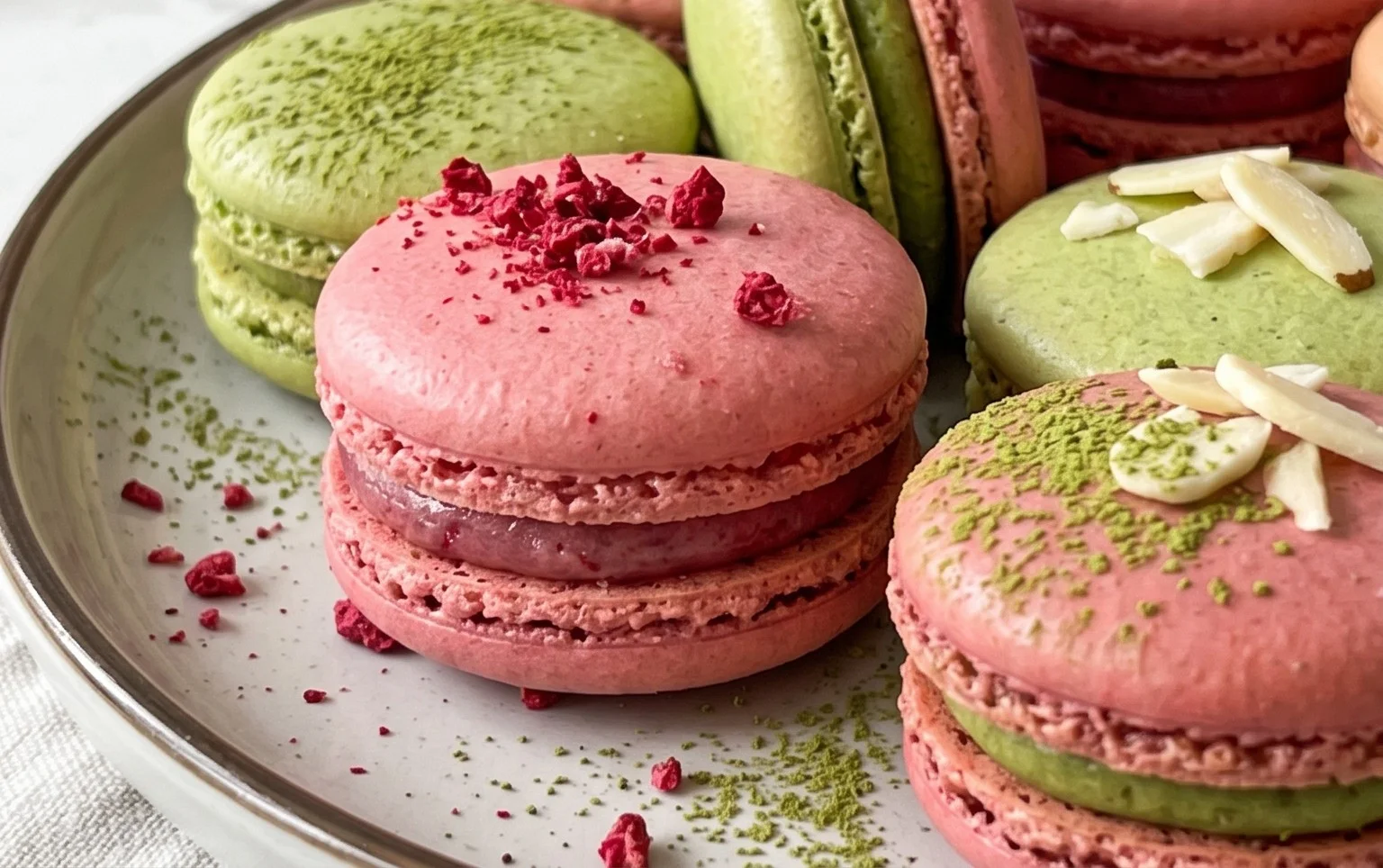
And there you have it – your guide to crafting perfect French macarons right in your own kitchen! This recipe offers a wonderful balance of simplicity and elegance, making it an achievable yet impressive baking project. The result is a delicate, airy cookie with a satisfyingly crisp shell and a chewy interior, just waiting to be filled with your favorite flavors. These are not just desserts; they are little works of art that are perfect for special occasions, thoughtful gifts, or simply a delightful afternoon treat.
Consider serving these beautiful French macarons alongside a cup of coffee or tea, or present them on a tiered stand for a truly show-stopping dessert platter. Don’t be afraid to get creative with your fillings and colors! Think vibrant raspberry ganache, rich dark chocolate, zesty lemon curd, or even a sophisticated lavender buttercream. The possibilities for flavor and color combinations are endless, allowing you to personalize your macarons to your heart’s content. I truly encourage you to give this French macaron recipe a try. With a little patience and practice, you’ll be creating these delightful confections like a pro!
Frequently Asked Questions:
Why are my macaron shells cracking?
Shell cracking can often be attributed to oven temperature being too high or not allowing the macaron shells to dry sufficiently before baking. Ensure your oven temperature is accurate and let the piped macarons form a dry skin before placing them in the oven. They should feel dry to the touch, not sticky.
What is ‘macaronage’ and why is it important?
Macaronage is the crucial step of folding the dry ingredients into the meringue. It’s the process of deflating the meringue to the correct consistency, creating a batter that flows like lava. Overmixing will result in flat, spread-out shells, while undermixing will lead to lumpy, uneven tops. You’re looking for a batter that drips from the spatula in a thick ribbon and slowly disappears back into itself.
French Macaron Recipe
A classic recipe for light and airy French macarons with a delicate crunch and chewy interior.
Ingredients
-
150 grams sifted super-fine almond flour
-
180 grams powdered sugar
-
1/4 teaspoon salt
-
120 grams large egg whites (at room temperature)
-
60 grams granulated sugar
-
4 drops liquid-gel food coloring
-
1 teaspoon pure vanilla extract
Instructions
-
Step 1
Whisk together sifted almond flour, powdered sugar, and salt in a bowl. Sift again if necessary to remove any lumps. -
Step 2
In a clean, dry bowl, whisk egg whites until foamy. Gradually add granulated sugar, whisking continuously until stiff, glossy peaks form. Stir in food coloring and vanilla extract. -
Step 3
Gently fold the almond flour mixture into the meringue in two additions until the batter reaches a lava-like consistency. Do not overmix. -
Step 4
Pipe small rounds of batter onto baking sheets lined with parchment paper or silicone mats, leaving space between each macaron. -
Step 5
Tap the baking sheets firmly on the counter several times to release air bubbles. Let the piped macarons rest at room temperature for at least 30 minutes, or until a skin forms on the surface. -
Step 6
Bake in a preheated oven at 300°F (150°C) for 15-18 minutes, or until the macarons have developed ‘feet’ and are firm to the touch. -
Step 7
Let the macarons cool completely on the baking sheets before removing. Fill with your choice of frosting or filling.
Important Information
Nutrition Facts (Per Serving)
It is important to consider this information as approximate and not to use it as definitive health advice.
Allergy Information
Please check ingredients for potential allergens and consult a health professional if in doubt.