Easy Miso Soup Recipe – Quick Authentic Flavor
Miso soup recipe: Ah, the comforting embrace of a warm bowl of miso soup. It’s more than just a starter; for many of us, it’s a taste of home, a moment of calm in a busy day, and a testament to the incredible depth of flavor that simple ingredients can achieve. What is it about this humble Japanese staple that captures our hearts (and our taste buds)? It’s that perfect balance of savory, umami-rich miso paste, often paired with the delicate chew of silken tofu, the subtle sweetness of dashi broth, and the whisper of fresh scallions. This incredibly versatile dish is a cornerstone of Japanese cuisine, beloved for its health benefits and its ability to awaken the palate without overwhelming it. Making your own miso soup recipe is surprisingly straightforward, allowing you to customize it to your exact preferences and experience the authentic taste right in your own kitchen.
Miso Soup Recipe
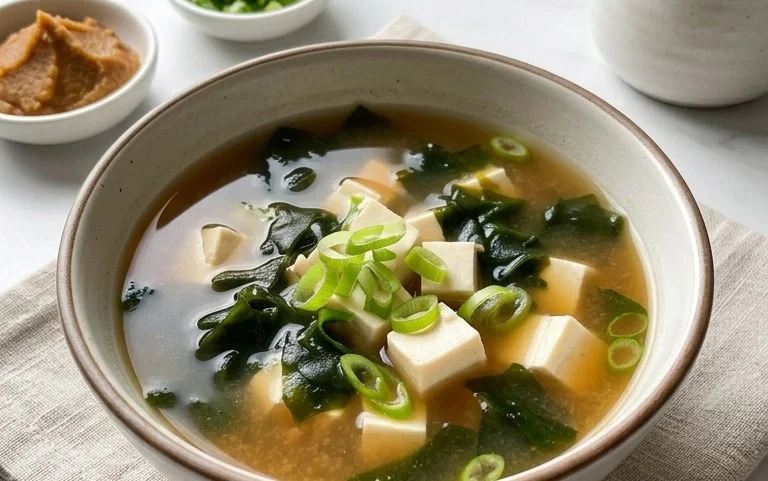
There’s something incredibly comforting and deeply satisfying about a steaming bowl of miso soup. It’s a cornerstone of Japanese cuisine, a warm hug in liquid form that’s both nourishing and incredibly simple to prepare. Forget those packets you get at takeout places; making authentic miso soup at home is a breeze, and the difference in flavor is truly remarkable. The earthy, umami-rich broth, the silky texture of the tofu, and the subtle brininess of the seaweed all come together to create a dish that’s both incredibly healthy and utterly delicious. It’s the perfect starter for any Japanese meal, a delightful light lunch, or even a soothing late-night snack. Let’s dive into how we can whip up this classic.
Ingredients:
Cooking Instructions
Preparing your miso soup is a straightforward process, and the beauty of it lies in its adaptability. The key is to not boil the miso paste, as this can diminish its delicate flavor and beneficial probiotics. We want to gently incorporate it into a warm, flavorful broth.
Step 1: Rehydrating the Seaweed
The first thing we’ll do is get our dried seaweed ready. In a small bowl, combine the heaping tablespoon of dried seaweed with a little bit of warm water. You don’t need much, just enough to cover the seaweed. Let it sit for about 5 to 10 minutes. You’ll notice it expand and become tender. This rehydrating process softens the seaweed and makes it pleasant to eat in the soup. Once it’s rehydrated, drain off any excess water. If you’re using wakame, which is a common choice for miso soup, it will transform into beautiful, deep green ribbons. It’s a simple step, but it’s crucial for the texture of the final soup.
Step 2: Preparing the Dashi Broth
Now, let’s get our dashi broth ready. Dashi is the fundamental base of many Japanese soups and stocks, and it provides that essential umami flavor. If you’re using instant dashi granules, simply follow the package instructions to dissolve them in the 2½ cups of water. For a more traditional approach, you can make your own dashi using kombu (kelp) and katsuobushi (bonito flakes), but for a quick and easy miso soup, instant dashi is perfectly acceptable and readily available in most Asian markets. Pour the prepared dashi into a medium-sized saucepan.
Step 3: Gently Heating the Broth and Adding Seaweed
Place the saucepan with the dashi over medium heat. We want to bring the broth to a gentle simmer, but we absolutely do not want it to come to a rolling boil. As the dashi begin extracts to warm up, add the rehydrated and drained seaweed to the pot. Let the seaweed simmer gently in the dashi for a few minutes. This allows it to absorb the flavors of the broth and soften even further. This simmering time also helps to meld the flavors together beautifully.
Step 4: Incorporating the Tofu
Once the seaweed has had a few minutes to infuse, it’s time to add our silken tofu. Carefully add the small pieces of silken tofu to the simmering broth. Silken tofu is very delicate, so be gentle when adding it to avoid breaking it up too much. We want those lovely little cubes to remain intact. Allow the tofu to heat through in the broth for about 2 to 3 minutes. It doesn’t need to cook extensively, just warm up. The gentle simmering will ensure the tofu is tender and absorbs some of the savory dashi flavor.
Step 5: Dissolving the Miso Paste
This is the most critical step for achieving the best flavor. Remove the saucepan from the heat. It’s very important that you do not boil the miso paste, as this can destroy its delicate aroma and flavor, as well as its beneficial enzymes. In a separate small bowl, place your miso paste. Take a ladleful of the warm dashi broth from the saucepan and add it to the miso paste. Using a whisk or a fork, stir the miso paste and broth together until it’s completely dissolved and forms a smooth paste. This process, called “tempering” the miso, ensures it dissolves evenly into the soup without clumping.
Step 6: Finishing the Soup and Serving
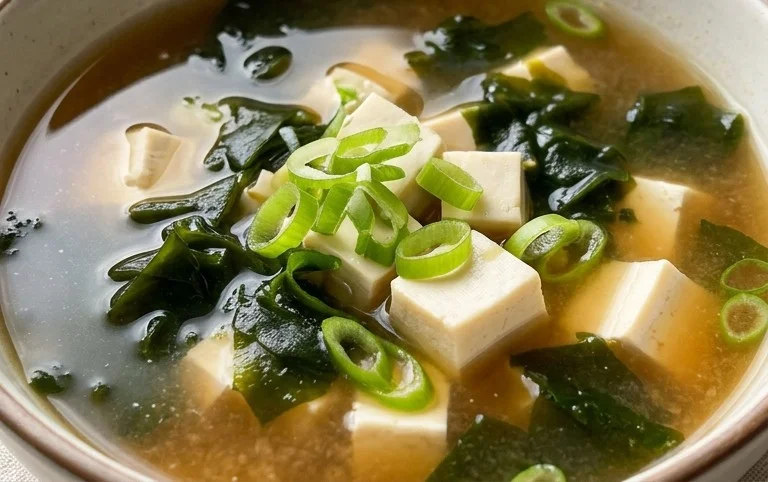
Now, gently pour the dissolved miso mixture back into the saucepan with the dashi, seaweed, and tofu. Stir everything together gently to combine. Taste the soup and adjust the seasoning if needed. You might want to add a little more miso paste for a stronger flavor, or perhaps a tiny splash more dashi if you prefer it a bit lighter. Once you’re happy with the flavor, ladle the hot miso soup into serving bowls. Garnish generously with the chopped scallions. The fresh, bright green of the scallions adds a wonderful burst of color and a fresh, slightly pungent counterpoint to the rich, savory soup. Serve immediately and enjoy the simple, profound goodness of your homemade miso soup. It’s a taste of Japan, made right in your own kitchen.
Conclusion:
There you have it – your guide to crafting a truly delicious and authentic miso soup recipe right in your own kitchen! This recipe is a winner because it’s incredibly simple to make, yet delivers a depth of flavor that’s both comforting and sophisticated. It’s the perfect starter for any meal, a light lunch on its own, or a wholesome addition to your dinner spread. Imagin extracte the savory, umami-rich broth warming you from the inside out – it’s truly a culinary hug in a bowl!
I love serving this miso soup with a sprinkle of fresh chives or thinly sliced scallions for a burst of freshness. It’s also fantastic alongside sushi, ramen, or any of your favorite Japanese dishes. Don’t be afraid to get creative with variations! You can easily add silken tofu cubes, more vegetables like spinach or bok choy, or even some cooked mushrooms. For a heartier version, consider adding some cooked shrimp or shredded chicken. I truly encourage you to give this miso soup recipe a try; you’ll be amazed at how easy it is to create such a satisfying and nourishing dish!
Frequently Asked Questions:
What is the best type of miso paste to use?
For a classic miso soup, white miso (shiro miso) is a popular choice as it has a milder, slightly sweet flavor. However, red miso (aka miso) offers a more robust, savory taste, and a blend of both can create a wonderfully complex flavor profile. Experiment to find your favorite!
Can I make miso soup ahead of time?
Miso soup is best enjoyed fresh, as the delicate flavors can diminish over time. While you can prepare the dashi broth and have your miso paste ready, it’s recommended to dissolve the miso and add any delicate ingredients just before serving.
What are some common additions to miso soup?
Besides the basics, common additions include cubed silken tofu, wakame seaweed (rehydrated), thinly sliced green onions, diced daikon radish, enoki mushrooms, and even a dash of sesame oil for extra aroma.
Miso Soup Recipe
A simple and authentic recipe for classic Japanese miso soup.
Ingredients
-
2½ cups Dashi
-
1 heaping tablespoon dried seaweed
-
4 oz silken tofu (cut into small pieces)
-
2-2½ tablespoons miso paste (or to taste)
-
1 tablespoon scallion (chopped)
Instructions
-
Step 1
Rehydrate the dried seaweed in a small bowl of water for about 5-10 minutes. Drain and set aside. -
Step 2
In a medium saucepan, bring the Dashi to a gentle simmer over medium heat. -
Step 3
Add the rehydrated seaweed and silken tofu to the simmering Dashi. Cook for 2-3 minutes until heated through. -
Step 4
In a small bowl, whisk the miso paste with a ladleful of the hot Dashi until smooth. This prevents the miso from clumping. -
Step 5
Gently stir the dissolved miso mixture into the soup. Heat until warm, but do not boil, as boiling can diminish the miso’s flavor and aroma. -
Step 6
Ladle the miso soup into serving bowls and garnish with chopped scallions.
Important Information
Nutrition Facts (Per Serving)
It is important to consider this information as approximate and not to use it as definitive health advice.
Allergy Information
Please check ingredients for potential allergens and consult a health professional if in doubt.