Nut Free Pesto – Delicious Dairy-Free & Easy Recipe
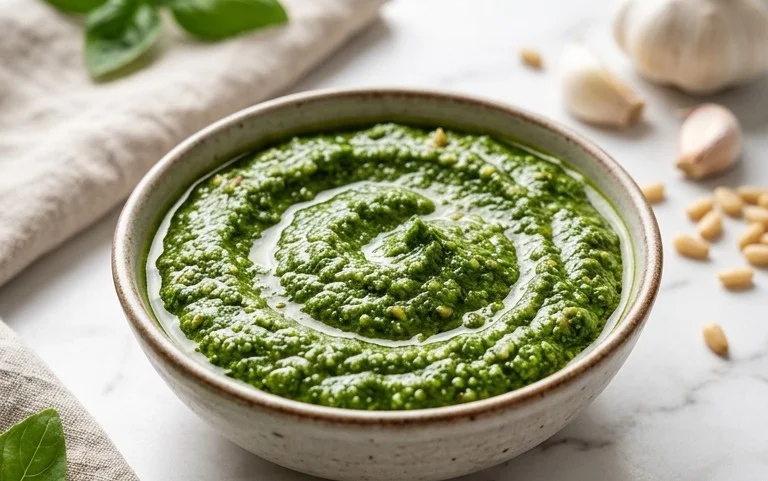
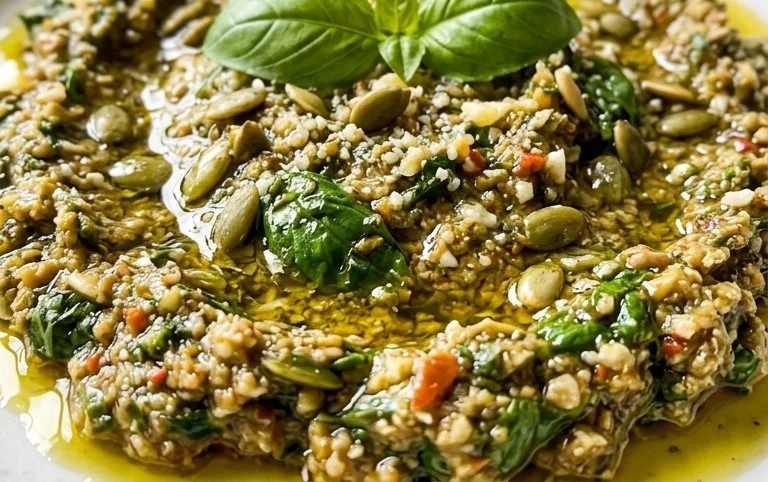
Nut Free Pesto is a revelation for anyone who thought the vibrant, herbaceous goodness of pesto was off-limits. For so long, the delightful tang of basil, the savory punch of garlic, and the creamy richness of cheese were reserved for those without nut allergies. But no more! This nut free pesto recipe shatters those limitations, offering a delicious and safe alternative that doesn’t compromise on flavor one bit. Imagin extracte slathering this incredible sauce over pasta, spreading it on crusty bread, or dolloping it onto grilled vegetables – the possibilities are endless and absolutely mouthwatering. What makes this version truly special is its ability to bring everyone to the table, allowing families and friends to share in the joy of a classic dish, worry-free. Get ready to fall in love with pesto all over again!
Nut Free Pesto
There’s nothing quite like the vibrant, fresh taste of pesto. It’s a culinary cbeef hameleon, transforming simple pasta dishes into something spectacular, adding a burst of flavor to sandwiches, and even elevating grilled vegetables. However, for many of us, the traditional pesto recipe, with its pine nuts, presents a significant challenge. Whether it’s due to allergies, dietary restrictions, or simply not having pine nuts on hand, finding a delicious nut-free alternative can feel like a quest. Well, quest no more! This nut-free pesto recipe is a game-changer. It delivers all the bright, herbaceous, and savory notes you expect from a classic pesto, without any of the allergenic nuts. It’s incredibly easy to make, requiring just a few simple ingredients and a food processor or mortar and pestle. You’ll be amazed at how quickly you can whip up a batch of this versatile sauce, perfect for weeknight meals or impressing guests. The key is using the freshest ingredients possible for the most vibrant flavor. So, let’s get started on creating your new favorite pesto!
Ingredients:
Instructions:
1. Prepare the Basil: The foundation of any good pesto is fresh basil. For this recipe, you’ll need about 2 cups of packed fresh basil leaves. Start by gently washing your basil under cool running water. It’s important to be gentle with the leaves to avoid bruising them, which can dull their flavor and color. After washing, thoroughly pat the leaves dry with paper towels or a clean kitchen towel. You can also use a salad spinner for this step; it’s incredibly effective at removing excess moisture. Any lingering water will dilute the pesto and can affect its texture. Once dry, you can leave the leaves whole or give them a rough chop. If you’re using a food processor, the size of the leaves won’t matter too much as it will chop them down anyway, but for a mortar and pestle, smaller pieces are easier to grind.
2. Add Aromatics: Next, we move on to the aromatics that give pesto its characteristic punch. You’ll need 2 garlic cloves. For the best flavor, use fresh garlic cloves. Peel them and then give them a rough chop. This helps them break down more easily in the food processor. If you’re not a fan of raw garlic’s intensity, you can roast the garlic cloves beforehand. Roasting mellows the garlic flavor, making it sweeter and less pungent. To roast garlic, simply cut off the top of the garlic bulb, drizzle with a little olive oil, wrap it in foil, and bake at 400°F (200°C) for about 30-40 minutes, until soft and fragrant. Once roasted and cooled, squeeze the softened cloves out of their skins. Add the chopped (or roasted) garlic to the food processor along with the prepared basil.
3. Incorporate the Cheese and Seasonings: Now it’s time to add the savory and seasoning elements. You’ll need 1/2 cup of freshly grated Parmesan cheese. Using freshly grated Parmesan is crucial for the best texture and flavor. Pre-grated cheese often contains anti-caking agents that can make your pesto grainy. So, if you have a block of Parmesan, take a few minutes to grate it yourself. Add the grated Parmesan cheese to the food processor with the basil and garlic. Next, season your pesto. Add 1/4 teaspoon of salt and 1/8 teaspoon of pepper. You can adjust these amounts to your personal taste later, but this is a good starting point. Remember that Parmesan cheese is already quite salty, so it’s wise to start with less salt and add more if needed.
4. Emulsify with Olive Oil: This is where the magic happens and the ingredients come together to form a smooth, luscious sauce. You’ll need 1/4 cup of good quality olive oil. While you can use any olive oil, a extra virgin extract olive oil will impart the most robust flavor. Slowly drizzle the olive oil into the food processor while the machine is running. This process, called emulsification, helps to create a smooth and creamy texture. You want to add the oil in a steady stream. If you’re using a mortar and pestle, you’ll add the olive oil gradually, stirring and grinding until the ingredients are well combined and a paste forms. Continue to process (or grind) until the mixture is mostly smooth, but still has a little texture. Avoid over-processing, which can make the pesto gummy. It’s better to have a pesto with a slight rustic texture than a completely smooth, pasty one.
5. Taste and Adjust: Once all the ingredients are combined and processed, it’s time for the most important step: tasting! Use a spoon to taste your nut-free pesto. Does it need more salt? Perhaps a little more pepper? You might also find that the garlic flavor is a bit too strong for your liking, or you might want a more intense basil aroma. Don’t be afraid to make adjustments. If it tastes a little too thick or dense, you can add another tablespoon or two of olive oil, processing briefly after each addition, until you reach your desired consistency. If you’re looking for a brighter, more acidic note, a tiny squeeze of fresh lemon juice can work wonders, though it’s not traditional, it adds a lovely freshness. Once you’re happy with the flavor and consistency, your nut-free pesto is ready to be enjoyed!
This nut-free pesto is incredibly versatile. Toss it with your favorite pasta for a quick and delicious meal. Spread it on sandwiches or wraps for an extra layer of flavor. Stir it into dips or use it as a marinade for chicken, fish, or vegetables. Store any leftover pesto in an airtight container in the refrigerator for up to a week, or freeze it in ice cube trays for smaller, convenient portions that will last for months. Enjoy the vibrant taste of homemade pesto, made accessible to everyone!
Conclusion:
I hope you’ve enjoyed learning how to make this delicious and inclusive nut-free pesto! This recipe is a game-changer for anyone with nut allergies or those simply looking for a lighter, brighter pesto alternative. It’s fantastic because it delivers all the vibrant, herbaceous flavor you expect from traditional pesto, without any of the common allergens. The ease of preparation means you can whip up a fresh batch in minutes, transforming ordinary dishes into something special.
This nut-free pesto is incredibly versatile! Toss it with your favorite pasta for a quick and satisfying meal, spread it on sandwiches or wraps for an extra flavor boost, or use it as a dip for fresh vegetables or grilled chicken. I also love swirling it into soups or drizzling it over roasted vegetables.
Feel free to experiment with the herbs! While basil is classic, you could try adding a handful of spinach for extra color and nutrients, or even some fresh parsley or mint for a different flavor profile. Don’t be afraid to adjust the garlic or lemon juice to your personal preference. I truly encourage you to give this nut-free pesto a try – you might just find it becomes your new go-to!
Frequently Asked Questions:
What other seeds can I use instead of pine nuts?
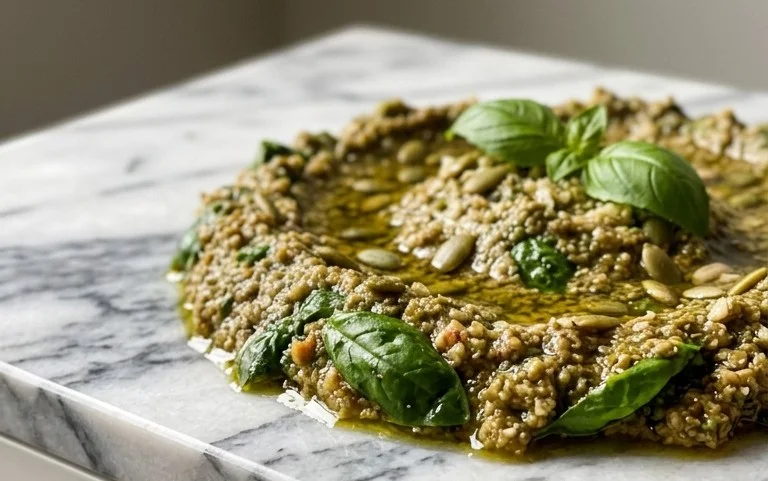
If you want to maintain a traditional pesto texture and flavor without nuts, sunflower seeds or pepitas (hulled pumpkin seeds) are excellent substitutes. Toasting them lightly before blending can add an extra layer of nutty depth.
How long does this nut-free pesto last?
When stored in an airtight container in the refrigerator, this nut-free pesto should stay fresh for about 4-5 days. You can also freeze it in ice cube trays for individual portions that are easy to thaw and use.
Nut Free Pesto
A classic pesto recipe made without nuts, perfect for those with allergies. This vibrant sauce is ideal for pasta, sandwiches, and more.
Ingredients
-
2 cups fresh basil
-
2 garlic cloves
-
1/2 cup freshly grated Parmesan cheese
-
1/4 cup olive oil
-
1/4 teaspoon salt
-
1/8 teaspoon pepper
Instructions
-
Step 1
Wash and thoroughly dry the fresh basil leaves. -
Step 2
Peel and roughly chop the garlic cloves. -
Step 3
In a food processor, combine the basil, garlic, Parmesan cheese, salt, and pepper. -
Step 4
Pulse the ingredients until they are finely chopped. -
Step 5
With the food processor running, slowly drizzle in the olive oil until the pesto is smooth and well combined. -
Step 6
Taste and adjust seasoning if necessary. Transfer to a clean jar and store in the refrigerator.
Important Information
Nutrition Facts (Per Serving)
It is important to consider this information as approximate and not to use it as definitive health advice.
Allergy Information
Please check ingredients for potential allergens and consult a health professional if in doubt.