
Copycat Heinz Ketchup Recipe- Easy Homemade
Canned Ketchup Recipe (Heinz Copycat) that tastes just like the real deal? Yes, you read that right! For years, I’ve been searching for that perfect balance of sweet, tangy, and savory that only a certain red bottle seems to master. We all have those childhood favorites, and for many of us, Heinz ketchup is high on that list. It’s the ultimate condiment, gracing everything from fries and burgers to eggs and meatloaf. But what if I told you that you don’t need a factory to recreate that iconic flavor? This canned ketchup recipe (Heinz copycat) is designed to bring that beloved taste directly to your pantry. It’s surprisingly simple to whip up, uses everyday ingredients, and offers that satisfying, familiar zing without any of the mysterious preservatives. Get ready to elevate your everyday meals with your very own, homemade version of the world’s most popular ketchup!
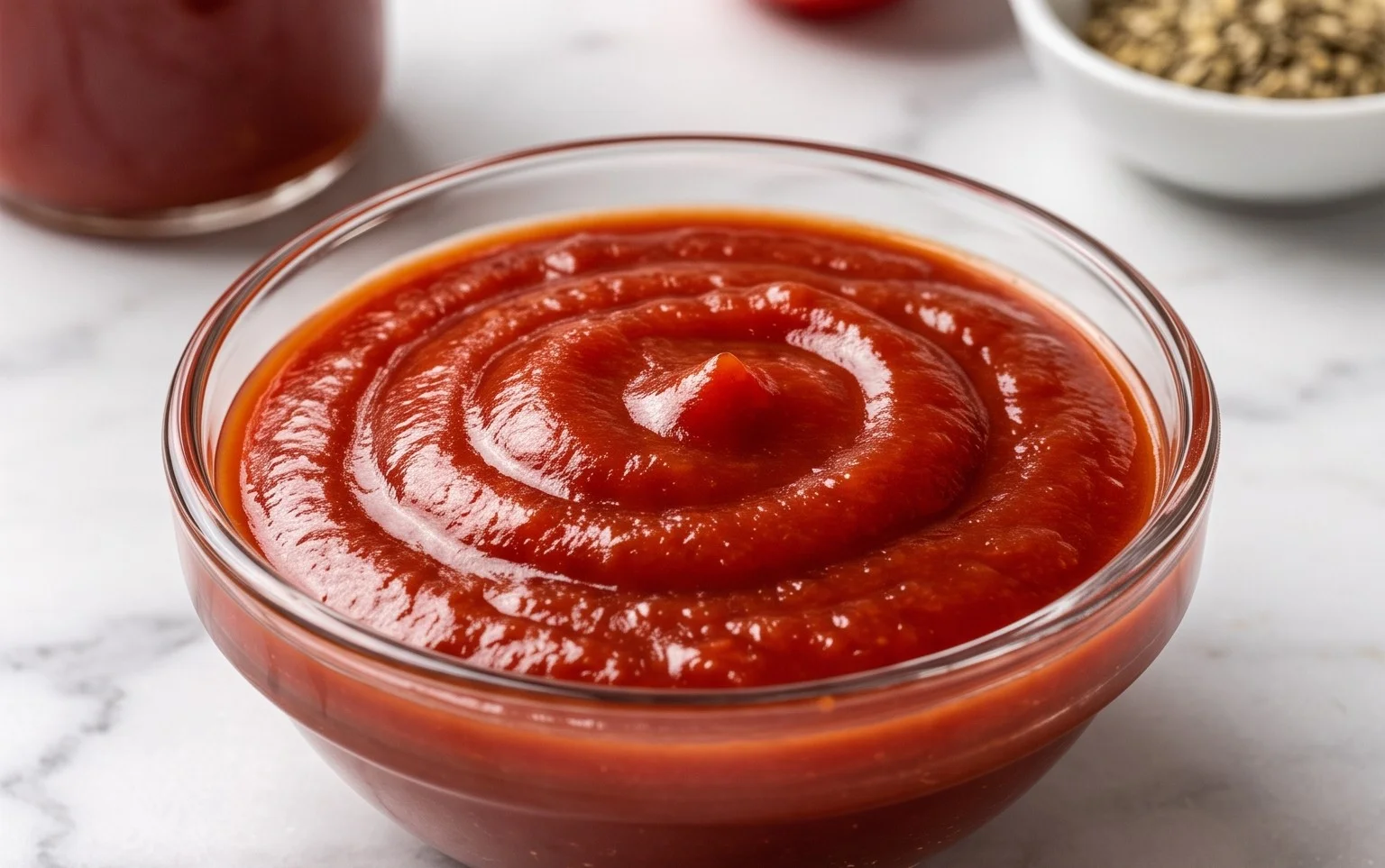
Heinz Copycat Canned Ketchup
There’s something undeniably satisfying about a perfectly seasoned, deeply flavored ketchup. For years, I’ve been a loyal devotee of that iconic red bottle, but a burning curiosity lingered: could I recreate that magic at home? After much experimentation and refinement, I’ve landed on a recipe that, I’m confident, will have you ditching the store-bought stuff. This isn’t just any homemade ketchup; this is a Heinz copycat, designed to deliver that familiar sweet, tangy, and subtly spiced profile we all know and love.
What makes this recipe so special is the careful balance of ingredients, mirroring the complexity of commercial ketchup without the mystery additives. We’re going back to basics, using high-quality tomato juice as our base, which means you’re in for a rich tomato flavor. The process might seem a little involved, but trust me, the reward of a pantry stocked with your own delicious, homemade ketchup is well worth the effort. Plus, the ability to control the ingredients and sweetness level is a huge win for anyone looking for a healthier, more authentic condiment. This recipe is scnon-alcoholic aled for canning, so you can enjoy this homemade goodness all year round.
Ingredients:
Cooking Instructions:
Phase 1: Combining the Base Flavors
The first step to achieving that classic ketchup taste is to get our foundational flavors mingling. In a large, heavy-bottomed pot or Dutch oven (this is important to prevent scorching, especially as the ketchup thickens), combine the 7 quarts of tomato juice, 4 cups of white distilled vinegar, 3 cups of granulated sugar, and 5 tablespoons of salt. Stir this mixture thoroughly until the sugar and salt are completely dissolved. This is your starting point, and it’s where the tangin extractess from the vinegar and the sweetness from the sugar begin extract to marry with the robust tomato base.
Next, we’ll introduce the aromatic spices that give this ketchup its signature depth. Add 1 tablespoon of onion powder, 1/2 teaspoon of ground cinnamon, 1/2 teaspoon of ground cloves, 1/2 teaspoon of ground all-spice, and 1/2 teaspoon of cayenne pepper. If you’re sensitive to spice, you can start with a smaller amount of cayenne and add more later if desired, but this quantity provides a subtle warmth that’s characteristic of good ketchup. Stir everything together until the spices are evenly distributed throughout the liquid. It’s at this stage that you’ll start to notice the complex aroma developing, hinting at the deliciousness to come.
Phase 2: Simmering and Thickening
Now comes the patience-building part. Bring the mixture in your pot to a boil over medium-high heat, stirring occasionally. Once it reaches a boil, reduce the heat to low and let it simmer gently. This simmering process is crucial for allowing the flavors to meld and for the ketchup to begin extract thickening. You’ll want to simmer this mixture, uncovered, for at least 2 to 3 hours, stirring more frequently as it starts to reduce and thicken. The longer it simmers, the deeper the flavor will become. Keep an eye on it, ensuring it doesn’t boil too vigorously, which can lead to splattering and uneven thickening. You’re looking for a consistency that’s noticeably thicker than when you started, but still pourable.
During this simmering period, you’ll also want to incorporate the tomato paste. Add the 46 oz can of tomato paste to the pot. It’s best to add it gradually, stirring it in until it’s fully incorporated. This will deepen the color and tomato flavor, as well as contribute to the thickening process. Continue to simmer and stir, making sure the tomato paste doesn’t stick to the bottom of the pot. This is also a good time to taste and adjust your seasoning. If you feel it needs more salt or a touch more sweetness, this is your window to do so. Remember, the flavors will continue to develop as it cools.
Phase 3: Achieving the Perfect Ketchup Texture
The final step in achieving that coveted ketchup texture involves a thickening agent. In a small bowl, whisk together 1/3 cup of Thermflo (heaping) with about 1/2 cup of the hot tomato mixture from the pot. Whisk it vigorously until it forms a smooth slurry with no lumps. Thermflo is a modified corn starch that is fantastic for thickening sauces and gravies without altering the flavor or color significantly. It’s what helps give commercial ketchup its smooth, luscious consistency.
Once you have your Thermflo slurry, gradually pour it back into the simmering ketchup in the pot, stirring constantly. Continue to stir and cook for another 5 to 10 minutes, or until the ketchup has thickened to your desired consistency. It will continue to thicken as it cools, so don’t overdo it. You’re aiming for a thick but still spoonable texture. The Thermflo works by absorbing liquid and creating a gel-like structure, giving your homemade ketchup that characteristic flow.
Phase 4: Canning for Preservation
Once your ketchup has reached the perfect thickness and flavor, it’s time to can it. Sterilize your canning jars and lids according to your preferred canning method. Carefully ladle the hot ketchup into the prepared jars, leaving about 1/4 inch of headspace at the top. Wipe the rims of the jars clean with a damp cloth to ensure a good seal. Place the lids on the jars and screw on the bands until they are finger-tight. Process the jars in a boiling water canner for the recommended time for your altitude and jar size (typically 15-20 minutes for pint or quart jars). This canning process will preserve your delicious homemade ketchup for long-term storage.
Phase 5: Cooling and Enjoying
After processing, carefully remove the jars from the canner and let them cool completely on a wire rack. You’ll often hear a satisfying “ping” as the lids seal. Once cooled, check the seals by pressing on the center of each lid. If the lid doesn’t flex, it’s senon-alcoholic aled. Store your canned ketchup in a cool, dark place. Once a jar is opened, refrigerate it. This Heinz copycat canned ketchup is perfect for burgers, fries, sandwiches, and anything else that calls for that classic, comforting tomato flavor. Enjoy the fruits of your labor!

Conclusion:
There you have it! My simple yet incredibly satisfying canned ketchup recipe, designed to bring that familiar Heinz-like tang right into your own kitchen. This recipe is a true game-changer for anyone who loves the classic taste of ketchup but wants more control over ingredients or simply enjoys the satisfaction of homemade. It’s surprisingly easy to whip up, relying on pantry staples to create that perfectly balanced sweet, savory, and tangy flavor profile we all adore. Imagin extracte the possibilities! This homemade ketchup is perfect slathered on fries, burgers, hot dogs, or even mixed into your favorite dipping sauces and marinades. Don’t be afraid to experiment with variations like adding a touch of smoked paprika for a smoky kick, a pinch of cayenne for a hint of heat, or even a swirl of balsamic glaze for a richer depth of flavor.
I truly encourage you to give this canned ketchup recipe a try. It’s a rewarding project that yields a delicious and versatile condiment. You’ll be amazed at how closely it mirrors the taste of your favorite store-bought brand, but with the added bonus of knowing exactly what’s in it. So, gather your ingredients and get ready to impress yourself and your loved ones with this fantastic homemade ketchup!
Frequently Asked Questions:
Can I make this ketchup thicker or thinner?
Absolutely! If you prefer a thicker ketchup, simmer it uncovered for a little longer to allow more liquid to evaporate. For a thinner consistency, you can add a tablespoon or two of water or white vinegar until you reach your desired thickness.
How long does this homemade ketchup last in the refrigerator?
Stored in an airtight container in the refrigerator, this homemade ketchup should stay fresh and delicious for about 2-3 weeks. Always check for any signs of spoilage before using.
Can I use different types of vinegar?
Yes, you can! While white vinegar is traditional and provides that bright tang, apple cider vinegar can offer a slightly fruitier note, and red grape juice vinegar can add a deeper, more complex flavor. Experiment to find your favorite!
Canned Ketchup Recipe (Heinz Copycat)
A homemade ketchup recipe designed to mimic the classic taste of Heinz, using canned ingredients for convenience.
Ingredients
-
7 quarts tomato juice
-
4 cups white distilled vinegar
-
3 cups sugar
-
5 Tbsp salt
-
1 Tbsp onion powder
-
1/2 tsp cinnamon
-
1/2 tsp ground cloves
-
1/2 tsp all-spice
-
1/2 tsp cayenne pepper
-
46 oz tomato paste
-
1/3 cup Thermflo (heaping)
Instructions
-
Step 1
In a large pot, combine the tomato juice, white distilled vinegar, sugar, salt, onion powder, cinnamon, ground cloves, all-spice, and cayenne pepper. Stir well to dissolve the sugar and salt. -
Step 2
Add the tomato paste to the pot and whisk until completely incorporated and smooth. -
Step 3
Bring the mixture to a boil over medium-high heat, then reduce the heat to low and simmer, uncovered, for 30 minutes, stirring occasionally. -
Step 4
In a small bowl, whisk together the Thermflo with about 1/2 cup of the simmering ketchup mixture until smooth and no lumps remain. This is your thickener. -
Step 5
Gradually stir the Thermflo slurry back into the pot of simmering ketchup. Continue to simmer for another 15 minutes, stirring frequently, until the ketchup has thickened to your desired consistency. -
Step 6
Carefully ladle the hot ketchup into sterilized canning jars, leaving about 1/4 inch headspace. Wipe the rims of the jars clean and secure the lids and bands. -
Step 7
Process the jars in a boiling water canner for 10 minutes. Adjust processing time for altitude if necessary. -
Step 8
Remove jars from canner and let them cool on a towel-lined counter for 12-24 hours. Check for proper seal before storing.
Important Information
Nutrition Facts (Per Serving)
It is important to consider this information as approximate and not to use it as definitive health advice.
Allergy Information
Please check ingredients for potential allergens and consult a health professional if in doubt.