Filipino Chicken Adobo Recipe- Savory & Tangy Flavor
Filipino Adobo Chicken is more than just a meal; it’s a national treasure, a comforting embrace, and a flavor explosion that dances on your palate. If you’ve ever wondered what the fuss is about, or if you’re a seasoned adobo enthusiast looking to perfect your technique, you’ve come to the right place. This iconic dish, with its savory, tangy, and slightly sweet profile, has captivated hearts and stomachs across the Philippines and around the globe. What makes Filipino Adobo Chicken so universally beloved? It’s the perfect harmony of simple, readily available ingredients – chicken, soy sauce, vinegar, garlic, peppercorns, and bay leaves – transformed into something utterly magical through slow simmering. The magic lies in the alchemy of these core components, creating a deeply satisfying and incredibly versatile dish that is the cornerstone of countless Filipino family meals. Get ready to unlock the secrets to a truly unforgettable Filipino Adobo Chicken.
Filipino Adobo Chicken: A Taste of Home
There’s something undeniably comforting about Filipino Adobo. It’s a dish that whispers of home, family gatherings, and the simple yet profound flavors that define Filipino cuisine. For many of us, it’s one of the first dishes we learn to cook, a culinary rite of passage. The beauty of adobo lies in its simplicity, using a few pantry staples to create a dish that’s rich, savory, and has a delightful tangy finish. It’s a testament to how humble ingredients can transform into something truly extraordinary. While there are countless variations across different regions and families in the Philippines, this recipe for Chicken Adobo is a classic that I’ve perfected over the years, and it’s guaranteed to bring a smile to your face and a satisfied rum extractble to your stomach.
The magic of adobo comes from the perfect balance of soy sauce and vinegar, a combination that tenderizes the meat while infusing it with deep, umami flavor. The garlic, peppercorns, and bay leaves add aromatic layers that elevate the entire dish. Don’t be intimidated by the short ingredient list; it’s precisely this minimalist approach that allows the core flavors to shine through. This is a dish that’s forgiving and adaptable, but adhering to the core elements will give you a truly authentic experience.
Ingredients:
Cooking Instructions:
Marinating and Browning the Chicken
1. Prepare the Chicken and Marinade: Start by patting your chicken thighs dry with paper towels. This step is crucial for achieving a nice, golden-brown sear later on. In a bowl, combine the soy sauce, white vinegar, crushed garlic cloves, black peppercorns, and bay leaves. Give it a good stir to ensure the peppercorns and bay leaves are submerged. Place the chicken thighs into this marinade, making sure each piece is well coated. For the best flavor, I highly recommend marinating the chicken for at least 30 minutes at room temperature, or even better, cover the bowl and refrigerate it for 2 to 4 hours. This allows the flavors to penetrate the meat deeply, resulting in a more robust adobo. If you’re short on time, even 15 minutes will offer some benefit.
2. Sear the Chicken for Flavor and Texture: Once the chicken has marinated, it’s time to build more flavor. Heat a tablespoon of cooking oil (vegetable or canola oil works well) in a large pot or Dutch oven over medium-high heat. You want the oil to be shimmering but not smoking. Carefully remove the chicken thighs from the marinade, letting any excess drip off. Reserve the marinade. Place the chicken thighs skin-side down into the hot pot. You’ll likely need to do this in batches to avoid overcrowding the pot, which would steam the chicken instead of searing it. Sear the chicken for about 3-4 minutes per side, until it’s beautifully golden brown. This browning process, known as the Maillard reaction, adds a wonderful depth of flavor and a delightful crispy texture to the skin. Don’t worry if it’s not cooked through at this stage; we’ll finish cooking it in the sauce.
Simmering and Developing the Adobo Sauce
3. Return Chicken and Add the Marinade: After searing the chicken, remove it from the pot and set it aside temporarily. If there’s excessive oil in the pot, you can carefully pour some of it out, leaving about a tablespoon for sautéing. Return the pot to medium heat. Now, pour the reserved marinade (including the garlic, peppercorns, and bay leaves) into the pot. Bring the marinade to a gentle simmer, scraping up any browned bits from the bottom of the pot. These little bits are packed with flavor and will contribute to the richness of your adobo sauce.
4. The Adobo Simmer: Return the seared chicken thighs to the pot, nestling them into the simmering sauce. Make sure the chicken is mostly submerged in the liquid. Once the sauce returns to a gentle simmer, reduce the heat to low, cover the pot, and let it cook. This is where the magic truly happens. Allow the adobo to simmer for at least 25-30 minutes, or until the chicken is tender and cooked through. During this time, the chicken will absorb all those delicious flavors, and the sauce will thicken slightly. I often like to peek in every 10 minutes or so and give the pot a gentle shake or turn the chicken pieces to ensure even cooking and flavor distribution.
Reducing the Sauce and Serving
5. Reduce the Sauce for Intensity: After the chicken has cooked through, you’ll want to concentrate the sauce for that signature adobo glaze. Remove the lid from the pot and increase the heat to medium-high. Let the sauce simmer and reduce for another 5-10 minutes, or until it reaches your desired consistency. Keep an eye on it to prevent it from reducing too much and becoming too thick or even burning. As the sauce reduces, it will become richer, glossier, and more intensely flavored. You can even spoon some of the sauce over the chicken as it reduces to further coat it. At this point, you can taste the sauce and adjust seasoning if needed, though the soy sauce usually provides plenty of saltiness. Some people like to add a touch of sugar for a hint of sweetness, but I find the classic balance perfect as is.
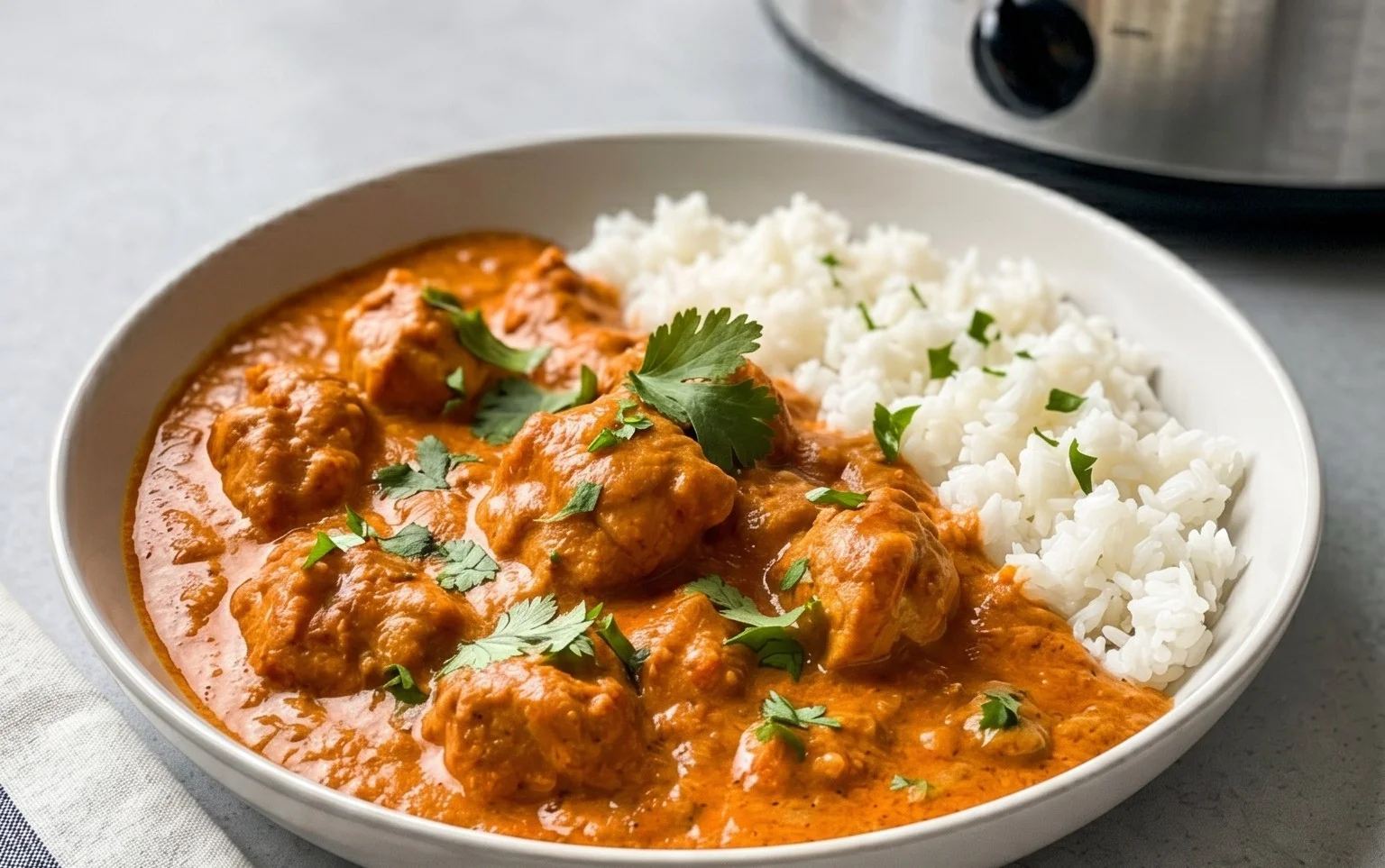
Filipino Adobo Chicken is best served piping hot with a generous portion of steamed white rice to soak up every last drop of that incredible sauce. You can garnish with some freshly chopped green onions or fried garlic bits if you’re feeling fancy. Enjoy this taste of Filipino tradition!
Conclusion:
There you have it – a simple yet incredibly flavorful Filipino Adobo Chicken recipe that’s sure to become a staple in your kitchen! The magic of adobo lies in its perfect balance of savory soy sauce, tangy vinegar, and aromatic garlic, creating a dish that is both comforting and deeply satisfying. It’s a testament to how a few humble ingredients can transform into something truly spectacular. This Filipino Adobo Chicken is incredibly versatile; serve it piping hot over a bed of steamed white rice, letting the delicious sauce soak into every grain. For a more complete meal, consider pairing it with a fresh side of stir-fried vegetables or a simple cucumber salad.
Don’t be afraid to experiment! While this recipe provides a classic foundation, you can easily personalize your adobo. Some enjoy adding a touch of sweetness with a spoonful of sugar, while others might incorporate a pinch of black peppercorns for an extra kick. Some even opt for chicken thighs for an even richer, more tender result. I wholeheartedly encourage you to give this recipe a try. It’s a wonderful introduction to Filipino cuisine and a dish that consistently brings joy to the table.
Frequently Asked Questions:
Can I make Filipino Adobo Chicken ahead of time?
Absolutely! In fact, adobo often tastes even better the next day as the flavors have more time to meld together. Simply let it cool completely and store it in an airtight container in the refrigerator. Reheat gently on the stovetop or in the microwave.
What kind of vinegar is best for adobo?
Traditionally, Filipino adobo is made with Filipino cane vinegar or white vinegar. These provide the perfect tangy counterpoint to the soy sauce. However, you can also use apple cider vinegar for a slightly fruitier note if you don’t have white vinegar on hand.
Filipino Adobo Chicken
A classic Filipino dish featuring tender chicken braised in a savory and tangy sauce of soy sauce, vinegar, garlic, peppercorns, and bay leaves.
Ingredients
-
6 chicken thighs (bone-in, skin-on)
-
1/2 cup soy sauce
-
1/2 cup white vinegar
-
4 cloves garlic (crushed)
-
1 tablespoon black peppercorns
-
4 bay leaves
Instructions
-
Step 1
In a large bowl or pot, combine chicken thighs, soy sauce, white vinegar, crushed garlic, black peppercorns, and bay leaves. -
Step 2
Marinate the chicken for at least 30 minutes, or preferably for a few hours in the refrigerator. -
Step 3
Transfer the chicken and marinade to a pot or Dutch oven. -
Step 4
Bring the mixture to a boil over medium-high heat. -
Step 5
Reduce heat to low, cover, and simmer for 30-40 minutes, or until the chicken is cooked through and tender. -
Step 6
Uncover and continue to simmer for another 10-15 minutes, allowing the sauce to thicken slightly. -
Step 7
Remove bay leaves before serving.
Important Information
Nutrition Facts (Per Serving)
It is important to consider this information as approximate and not to use it as definitive health advice.
Allergy Information
Please check ingredients for potential allergens and consult a health professional if in doubt.