Best Chimichurri Sauce Recipe- Fresh & Flavorful
Chimichurri sauce recipe mastery is within your reach, and trust me, it’s a game-changer for your culinary adventures. Have you ever bitten into a perfectly grilled steak or a vibrant veggie skewer and wondered about that bright, herbaceous burst of flavor? That, my friends, is the magic of chimichurri, and our easy chimichurri sauce recipe will unlock that secret for you. People absolutely adore this Argentinian staple for its incredible versatility and its ability to elevate even the simplest dishes from ordinary to extraordinary. What makes it so special? It’s the harmonious blend of fresh parsley and oregano, the zing of garlic and vinegar, and a whisper of heat from chili flakes, all brought together in a vibrant, uncooked sauce that bursts with freshness. It’s not just a condiment; it’s an experience, a taste of summer sunshine and Argentinian passion, all ready to transform your meals with minimal effort.
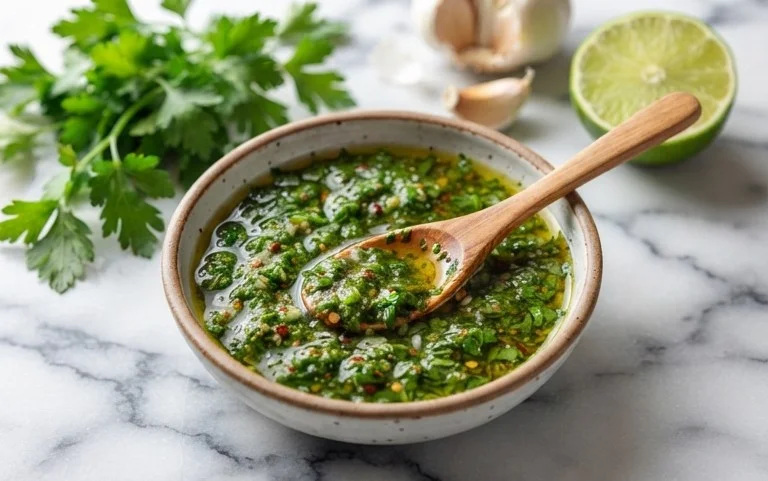
The Ultimate Chimichurri Sauce Recipe: Your Flavor Booster
There are few condiments as vibrant, versatile, and downright delicious as chimichurri. This Argentinian green sauce is a revelation, a bright and zesty explosion of fresh herbs and garlic that can elevate everything from grilled meats to roasted vegetables. Forget store-bought; making your own chimichurri is surprisingly simple and the results are infinitely superior. The key is fresh, high-quality ingredients, and a little bit of love. Once you taste this homemade version, you’ll understand why it’s a staple in South American kitchens and why you’ll be reaching for it again and again. It’s the perfect accompaniment for that summer barbecue, a weekday pasta dish, or even just a simple piece of toast.
Ingredients:
Crafting Your Flavorful Chimichurri
This recipe is designed to be incredibly straightforward, allowing the fresh ingredients to shine. The goal is to create a sauce that is herbaceous, slightly pungent from the garlic and onion, with a pleasant tang from the vinegar and lemon, and a gentle warmth from the red pepper flakes.
Here’s how we’ll bring it all together:
Prepare Your Herbs and Aromatics: The foundation of any great chimichurri is fresh herbs. For this recipe, we’re using a beautiful combination of parsley, cilantro, and oregano. Take your time to meticulously remove the stems from the parsley and cilantro. Stems can be tough and stringy, and we want a smooth, refined sauce. The oregano, especially if it’s fresh, will have more delicate leaves, but it’s still a good practice to remove any overly woody stems. Once your herbs are prepped, give them a good rinse and pat them thoroughly dry. Excess water can dilute the flavors and affect the consistency of your sauce. Next, finely chop your red onion or shallots. Red onion will impart a slightly sharper, more pungent flavor, while shallots offer a milder, sweeter alternative. Either works beautifully, so choose based on your preference. Peel your garlic cloves. We’re not looking for a subtle garlic flavor here; we want it to be a prominent player, so don’t shy away from the three cloves.
The Chopping Stage: A Matter of Texture: Now, it’s time to get chopping. For the most authentic chimichurri texture, a good old-fashioned hand chop is ideal. Place your prepared parsley, cilantro, oregano, and chopped red onion (or shallots) onto a clean cutting board. Mince them together as finely as you can. The goal here isn’t to turn them into a paste, but rather to create small, distinct pieces that will hold their own in the sauce. Think of it as a rustic, textured chop. As you chop, you can also add your peeled garlic cloves to the mix and mince them very finely, or you can place them in a small bowl and mash them with the side of your knife to create a garlic paste. This ensures the garlic is well distributed. For a smoother sauce, you could use a food processor, but be careful not to over-process and turn your herbs into a mush. Pulse in short bursts until you achieve a finely chopped consistency. The red pepper flakes can be added now or later, depending on how much you want them to infuse.
The Wet Ingredients: Bringin extractg it all Together: Once your herbs and aromatics are finely chopped and ready, transfer them into a medium-sized mixing bowl. Now it’s time to add the liquids that will bind everything together and create that signature tang. Pour in the extra-virgin extract olive oil. Use a good quality olive oil; its flavor will be noticeable in the finished sauce. Next, add the red grape juice vinegar. This type of vinegar offers a slightly sweeter and fruitier note compared to regular red grape juice vinegar, which complements the herbs wonderfully. You can substitute with red grape juice vinegar if red grape juice vinegar is unavailable, but the subtle difference is worth noting. Follow with the fresh lemon juice. The acidity of the lemon juice is crucial for balancing the richness of the olive oil and the herbaceous flavors. It adds a bright, zesty finish that makes chimichurri so refreshing. Finally, add the kosher salt. Kosher salt has a coarser grain than table salt and dissolves beautifully, ensuring even seasoning without any harsh saltiness.
Whisking and Marinating: Developing the Flavors: With all your ingredients in the bowl, it’s time to get whisking! Use a fork or a small whisk to thoroughly combine everything. Stir vigorously, ensuring the olive oil and vinegar are emulsified with the chopped herbs and aromatics. You want to see a cohesive mixture where all the ingredients are well distributed. Don’t rush this step; good emulsification creates a smoother, more pleasant texture. Once everything is well combined, cover the bowl tightly with plastic wrap or transfer the chimichurri to an airtight container. This is where the magic really happens. Allow the sauce to marinate in the refrigerator for at least 30 minutes. This resting period is vital for allowing the flavors to meld and develop. The garlic will soften slightly, the herbs will release more of their essential oils, and the vinegar and lemon juice will tenderize the herbs, creating a more harmonious and complex flavor profile. Longer marinating times, even up to several hours or overnight, will result in an even deeper and richer flavor.
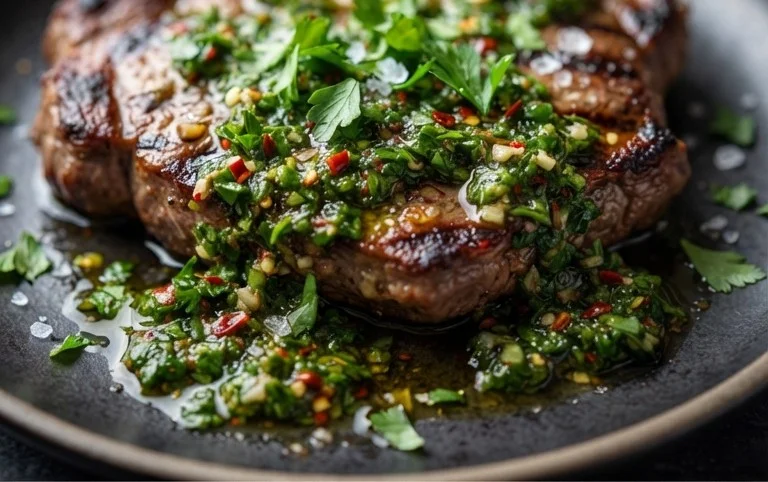
Taste, Adjust, and Serve: The Final Touches: Before serving, give your chimichurri a final taste. This is your opportunity to fine-tune the seasoning. Does it need a little more salt? A touch more acidity from lemon juice or vinegar? Perhaps a pinch more red pepper flakes for an extra kick? Adjust to your personal preference. Remember, the flavors will continue to develop as it sits. If you find it a bit too thick, you can always stir in another tablespoon of olive oil or a splash of water to loosen it up. Once you’re happy with the taste, your glorious chimichurri is ready to be unleashed! Serve it generously over grilled steaks, chicken, fish, or vegetables. It’s also fantastic as a dip for bread, a topping for tacos, or even stirred into a salad dressing. Store any leftovers in an airtight container in the refrigerator for up to a week. The flavors will continue to deepen and evolve, making it even more delicious on day two and beyond. Enjoy this vibrant, homemade taste sensation!
Conclusion:
There you have it – a simple yet incredibly flavorful Chimichurri Sauce recipe that’s about to become your new kitchen staple! What makes this recipe so great is its vibrant freshness, the perfect balance of zesty herbs, pungent garlic, and a hint of spice. It’s incredibly versatile and elevates everything from grilled meats and roasted vegetables to even simple sandwiches. I truly encourage you to give this fantastic chimichurri sauce recipe a try; you won’t regret the burst of flavor it brings to your meals.
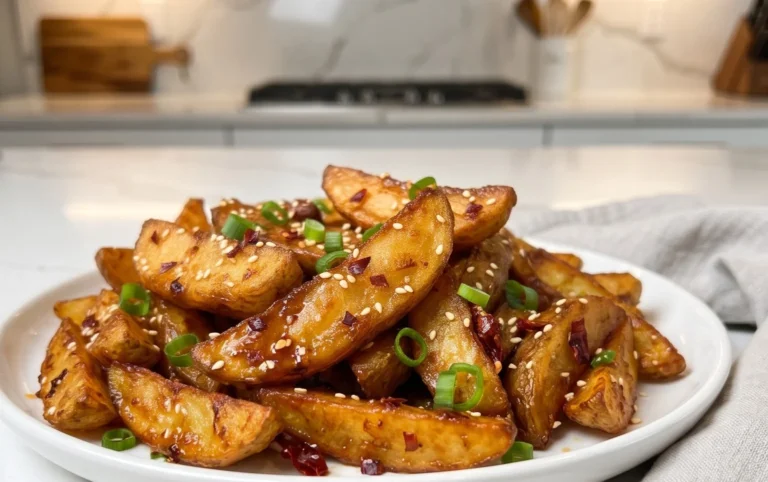
Beyond its classic pairing with grilled steaks, this herbaceous sauce is amazing drizzled over chicken, fish, beef, and even roasted potatoes or Brussels sprouts. Think of it as a brighter, bolder alternative to your usual condiments. For a touch of variation, consider adding a pinch of red pepper flakes for extra heat, or even a squeeze of lime juice for an even tangier kick.
Frequently Asked Questions:
Can I make chimichurri sauce ahead of time?
Absolutely! In fact, chimichurri sauce often tastes even better after it’s had a chance to sit for a while, allowing the flavors to meld. I recommend making it at least an hour in advance, or even the day before. Store it in an airtight container in the refrigerator. It will last for about 4-5 days.
What if I don’t have fresh parsley?
While fresh parsley is the cornerstone of traditional chimichurri, you can substitute dried parsley if absolutely necessary. However, the flavor will be significantly different and less vibrant. If you must use dried, start with about one-third the amount of fresh parsley and adjust to your taste. For the best results, I highly recommend seeking out fresh herbs.
Chimichurri Sauce Recipe
A vibrant and herbaceous Argentinian sauce perfect for grilled meats and vegetables. This recipe uses fresh herbs, garlic, and olive oil for a zesty kick.
Ingredients
-
1 cup fresh Italian flat-leaf parsley (leaves only, stems removed)
-
1/4 cup fresh cilantro (leaves only, stems removed)
-
1/4 cup fresh oregano (leaves only, stems removed)
-
1/3 cup roughly chopped red onion
-
3 cloves garlic (peeled)
-
1/2 teaspoon red pepper flakes
-
1/2 cup extra-virgin olive oil
-
1/4 cup red grape juice vinegar
-
3 tablespoons fresh lemon juice
-
1 teaspoon kosher salt
Instructions
-
Step 1
Finely chop the fresh parsley, cilantro, and oregano. If using a food processor, pulse until finely chopped but not puréed. -
Step 2
In a medium bowl, combine the chopped herbs, roughly chopped red onion, and peeled garlic cloves. For easier incorporation, mince the garlic finely before adding. -
Step 3
Add the red pepper flakes to the herb and onion mixture. -
Step 4
In a separate small bowl or jug, whisk together the extra-virgin olive oil, red grape juice vinegar, and fresh lemon juice. -
Step 5
Pour the wet ingredients over the herb and onion mixture. Add the kosher salt. -
Step 6
Stir everything together until well combined. For best flavor, let the chimichurri sauce rest for at least 10 minutes before serving to allow the flavors to meld.
Important Information
Nutrition Facts (Per Serving)
It is important to consider this information as approximate and not to use it as definitive health advice.
Allergy Information
Please check ingredients for potential allergens and consult a health professional if in doubt.