Easy Roasted Vegetables – Simple & Delicious Side Dish
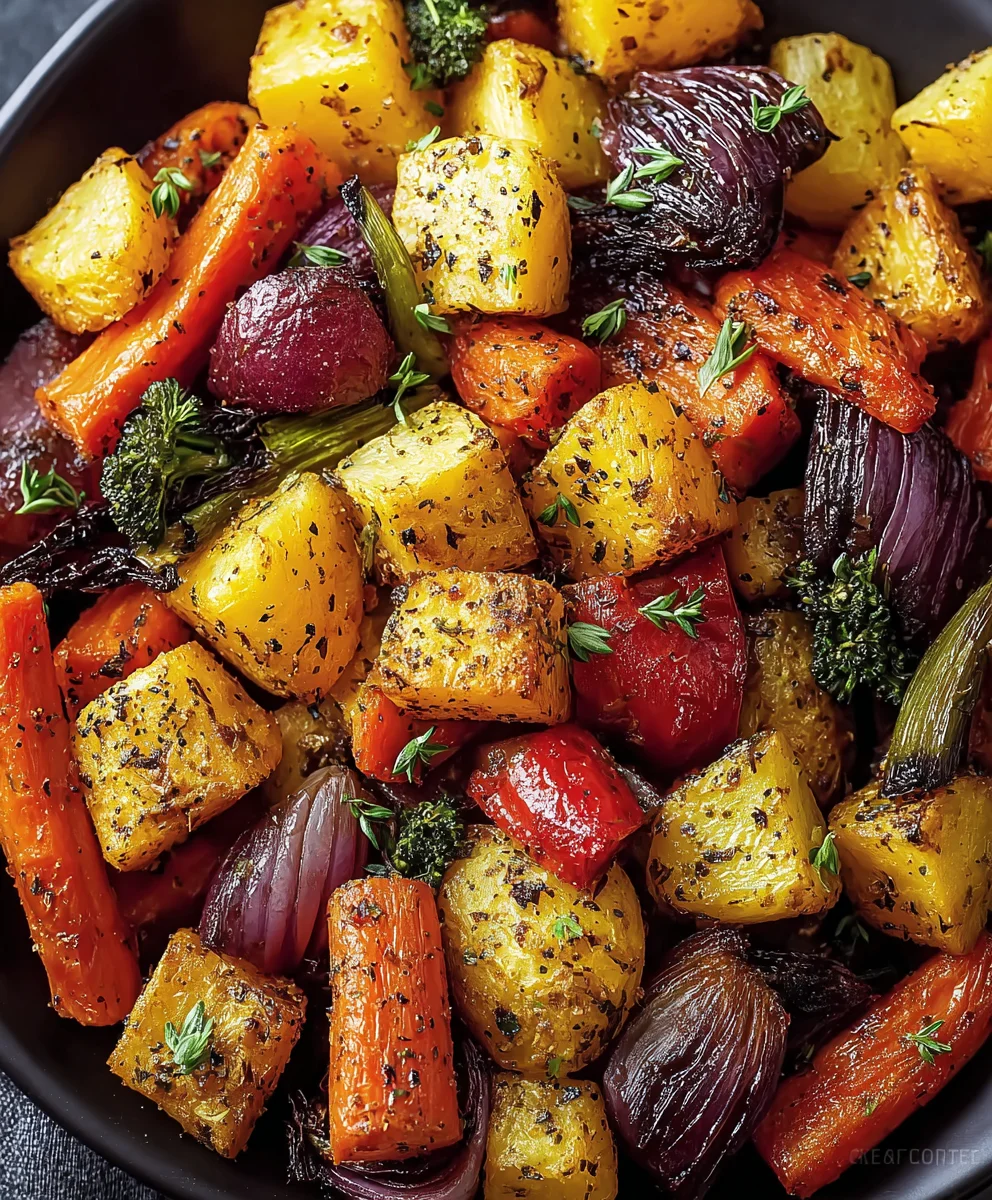
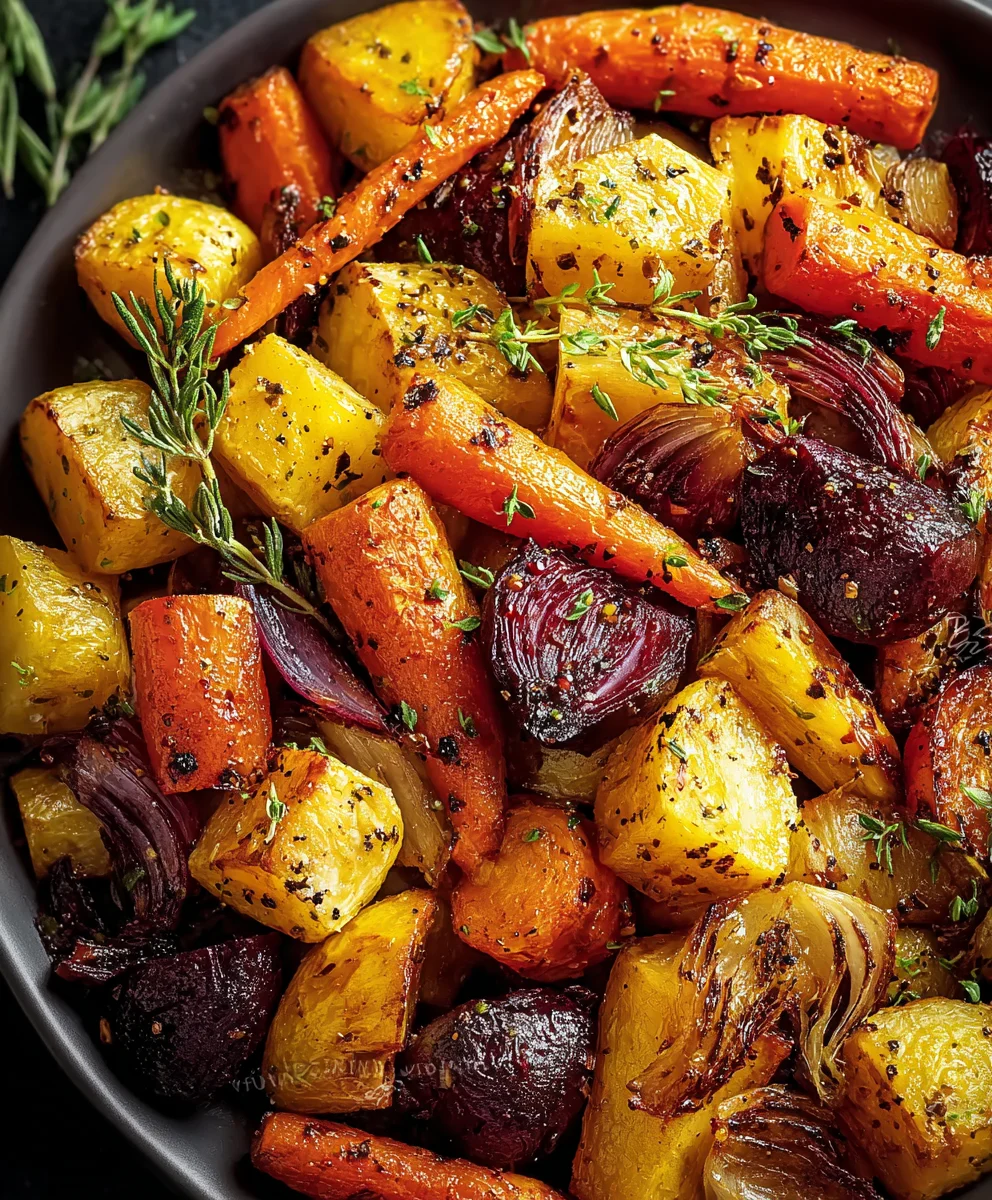
Roasted Vegetables are a culinary masterpiece that transform humble produce into a symphony of sweet, caramelized flavors and delightful textures. There’s an almost magical alchemy that happens when vegetables are tossed with olive oil, seasoned with herbs, and then subjected to the intense heat of the oven. This cooking method brings out their natural sugars, creating those irresistible crispy edges and tender centers that have everyone reaching for more. People absolutely adore roasted vegetables because they are incredibly versatile, healthy, and surprisingly simple to prepare, making them a weeknight savior or a show-stopping side dish for any occasion. What truly sets this dish apart is the ability to customize it with your favorite seasonal bounty, from vibrant bell peppers and sweet potatoes to earthy Brussels sprouts and hearty carrots. Each bite is a testament to the power of simple ingredients and a little bit of heat.
Ingredients:
- 4 cups butternut squash, peeled and cubed into ½-inch pieces
- 3 cups carrots, peeled and cubed into ½-inch pieces
- 3 cups sweet potatoes, peeled and cubed into ½-inch pieces
- 2 tablespoons olive oil
- 1 tablespoon fresh thyme leaves
- 1 teaspoon garlic powder
- 1 teaspoon onion powder
- ½ teaspoon salt
- ½ teaspoon freshly ground black pepper
- 1 tablespoon fresh parsley, finely chopped (optional, for garnish)
Preparing the Vegetables for Roasting
The first step to achieving perfectly roasted vegetables is to prepare them properly. This means ensuring they are cut into uniform pieces. For this recipe, we’re using butternut squash, carrots, and sweet potatoes. It’s crucial that these root vegetables are cut into roughly ½-inch cubes. This uniformity is key to ensuring that all the vegetables cook evenly. If some pieces are much larger than others, they will take longer to soften and caramelize, while smaller pieces might become mushy or burn. I like to start with the butternut squash, as it can sometimes be a bit trickier to peel and cut. You can either use a sharp chef’s knife or a vegetable peeler to remove the skin. Then, slice it in half, scoop out the seeds, and cut it into manageable chunks before cubing. For the carrots and sweet potatoes, peeling is generally recommended, though some people prefer to leave the skins on for extra nutrients and texture, especially if they are organic and well-scrubbed. Just ensure the cubes are consistent in size.
Seasoning for Maximum Flavor
Once your vegetables are all cubed and ready, it’s time to bring them to life with a simple yet effective seasoning blend. In a large mixing bowl, combine the cubed butternut squash, carrots, and sweet potatoes. Drizzle them generously with the 2 tablespoons of olive oil. The olive oil acts as a binder for the seasonings and helps to create that lovely crispy, caramelized exterior when roasting. Now, let’s add the flavor powerhouses. Sprinkle in the 1 tablespoon of fresh thyme leaves. Thyme has a wonderful earthy and slightly floral aroma that pairs beautifully with root vegetables. Next, add the 1 teaspoon of garlic powder and 1 teaspoon of onion powder. These powders provide a concentrated burst of savory flavor without the risk of burning like fresh garlic or onion might at high roasting temperatures. Finally, season with ½ teaspoon of salt and ½ teaspoon of freshly ground black pepper. Don’t be shy with the salt; it’s essential for bringin extractg out the natural sweetness of the vegetables. Now, the fun part: using your hands (or a large spoon), toss everything together thoroughly. You want to ensure that every single piece of vegetable is coated in the olive oil and spices. This even coating is what guarantees consistent flavor and texture throughout your roasted vegetables.
The Roasting Process: Achieving Golden Perfection
Preheat your oven to a hot 400°F (200°C). This high heat is critical for achieving that desirable char and tenderness in your roasted vegetables. While the oven is heating up, prepare your baking sheets. For this quantity of vegetables, I recommend using two large rimmed baking sheets. This is another crucial tip for success. If you overcrowd a single baking sheet, the vegetables will steam rather than roast. They’ll end up soft and lacking that desirable crispiness. So, spread the seasoned vegetables in a single layer across your prepared baking sheets. Try to give them a little bit of space between each piece. This allows the hot air to circulate freely around them, promoting even cooking and browning. Once your oven is at temperature, carefully place the baking sheets into the preheated oven.
The Waiting Game: Patience for Peak Flavor
Now comes the waiting, but it’s worth it! You’ll want to roast the vegetables for approximately 30 to 40 minutes. During this time, it’s a good idea to check on them about halfway through the cooking process, around the 15-20 minute mark. At this point, you’ll want to give them a good stir or flip. This ensures that all sides of the vegetables get exposed to the hot oven air, leading to more uniform browning and crisping. You’re looking for the vegetables to be tender when pierced with a fork and have developed a lovely golden-brown, slightly caramelized exterior. The exact time will vary depending on your oven and the size of your vegetable cubes, so keep an eye on them towards the end of the cooking time. If you notice some areas browning faster than others, you can strategically rotate the baking sheets in the oven or give the vegetables another gentle toss.
Finishing Touches and Serving Suggestions
Once your roasted vegetables have reached that perfect state of tender-crispness and beautiful caramelization, carefully remove the baking sheets from the oven. If you’re using the optional fresh parsley, this is the time to add it. Sprinkle the finely chopped parsley over the hot vegetables. The residual heat will help to wilt it slightly and release its fresh, vibrant aroma, adding a lovely contrast to the rich, roasted flavors. Give the vegetables one final gentle toss to distribute the parsley. These roasted vegetables are incredibly versatile. They make a fantastic side dish for almost any main course, from grilled chicken or fish to a hearty beef roast. They’re also delicious tossed into salads for added texture and flavor, or even blended into soups for a richer, more complex taste. You can serve them immediately while they’re hot and crispy, or they are also quite enjoyable at room temperature. This recipe provides a wonderfully simple yet deeply satisfying way to enjoy the natural sweetness and earthy goodness of seasonal produce.
Conclusion:
Congratulations on mastering the art of making delicious Roasted Vegetables! This recipe is wonderfully versatile and a fantastic way to enjoy a healthy and flavorful meal. We’ve explored how simple seasoning and the magic of the oven can transform humble produce into a delightful dish. Whether you’re looking for a satisfying side, a light lunch, or a component for a more elaborate meal, these Roasted Vegetables will not disappoint. Don’t be afraid to get creative with your serving suggestions; they pair beautifully with grilled meats, fish, or even as a topping for your favorite grain bowl. Remember, the beauty of Roasted Vegetables lies in its adaptability – feel free to experiment with different herbs, spices, and vegetable combinations to discover your personal favorites. Happy roasting, and enjoy every flavorful bite!
Frequently Asked Questions:
Q: Can I make Roasted Vegetables ahead of time?
A: Yes, you can roast your vegetables ahead of time and reheat them. For best results, reheat them in the oven at around 350°F (175°C) for about 10-15 minutes, or until warmed through and slightly crisped. Microwaving is an option, but it might make them softer.
Q: What are the best vegetables for roasting?
A: Many vegetables roast beautifully! Excellent choices include root vegetables like carrots, potatoes, sweet potatoes, and parsnips. Cruciferous vegetables such as broccoli, cauliflower, and Brussels sprouts are also fantastic. Bell peppers, onions, zucchini, asparagus, and cherry tomatoes are other popular and delicious options.
Q: How can I make my Roasted Vegetables extra crispy?
A: To achieve extra crispiness, ensure your vegetables are cut into uniform sizes for even cooking. Don’t overcrowd the baking sheet; give them space so they roast rather than steam. Using a higher oven temperature (around 400-425°F or 200-220°C) and a good coating of oil will also help promote browning and crispiness.
Easy Roasted Vegetables – Simple & Delicious Side Dish
A simple and delicious side dish of roasted root vegetables, seasoned with herbs and spices for maximum flavor and a perfect caramelized exterior.
Ingredients
-
4 cups butternut squash, peeled and cubed into ½-inch pieces
-
3 cups carrots, peeled and cubed into ½-inch pieces
-
3 cups sweet potatoes, peeled and cubed into ½-inch pieces
-
2 tablespoons olive oil
-
1 tablespoon fresh thyme leaves
-
1 teaspoon garlic powder
-
1 teaspoon onion powder
-
½ teaspoon salt
-
½ teaspoon freshly ground black pepper
-
1 tablespoon fresh parsley, finely chopped (optional, for garnish)
Instructions
-
Step 1
Prepare the vegetables: Peel and cut the butternut squash, carrots, and sweet potatoes into uniform ½-inch cubes. Ensure all pieces are of similar size for even cooking. -
Step 2
Season the vegetables: In a large bowl, combine the cubed vegetables. Drizzle with olive oil and sprinkle with thyme leaves, garlic powder, onion powder, salt, and pepper. Toss thoroughly to ensure all pieces are evenly coated. -
Step 3
Preheat your oven to 400°F (200°C). Prepare two large rimmed baking sheets by lining them with parchment paper if desired, and spread the seasoned vegetables in a single layer, ensuring they are not overcrowded. -
Step 4
Roast for 30-40 minutes, or until tender and caramelized. Halfway through the cooking time (around 15-20 minutes), stir or flip the vegetables to promote even browning. -
Step 5
Check for tenderness by piercing with a fork. Once cooked to your liking and golden brown, remove from the oven. Garnish with fresh parsley if desired, and give a final gentle toss.
Important Information
Nutrition Facts (Per Serving)
It is important to consider this information as approximate and not to use it as definitive health advice.
Allergy Information
Please check ingredients for potential allergens and consult a health professional if in doubt.